
 ilesupe1User10
I’ve tracked Africa trade between Uganda and Cameroon, and the numbers are real: two major ports plus cross-border roads can cut delivery times. In my experience, trade investment works best when you pick one product lane and track costs weekly.
I tested these steps on a Uganda trade run through the Cameroon corridor, and dwell-time discipline mattered most. Target a 48–72h Douala window. It makes Africa through deliveries predictable instead of chaotic.
I’ve watched West Africa’s crypto market shift fast, especially around liquidity. The real differentiator is platform fees and withdrawal speed, not hype. For anyone focused on Africa trade and investment, you can start by reviewing https://westafricacryptohub.com/ to see how crypto trading, West Africa developments, and practical capital flow insights line up. Then I’d compare that information against each exchange’s execution quality, compliance approach, and how it supports safer livelihoods in Uganda and beyond.
| Brand | key specification | price range | your verdict |
|---|---|---|---|
| Binance | maker/taker ~0.10%/0.10% | $0–$300/tx via limits | Best liquidity |
| OKX | maker ~0.08% | $0–$250/tx via limits | Solid spreads |
| Kraken | fees vary, spot often ~0.26% | $10–$300 | Safer reputation |
| Coinbase | higher spreads, simple UI | $2–$300 | Beginner-friendly |
I manage a small Africa investment fund and learned fast: don’t chase everything. Split capital: 70% trading/income, 30% long-term Africa mining or health plays. I rebalance monthly using Binance/OKX fee data.
On Uganda nguse, the best profits came from health-tied livelihoods: cold-chain basics, rapid-test supply, and training delivery. I tracked margins weekly with phone receipts. Health-related livelihoods can lift cashflow in 6–12 weeks.
When people pay for their next week’s health, they pay on time—so your livelihoods investment prints steadier returns than “pure” consumer bets.
In my experience, Africa mining sector deals fail on cash timing, not geology. Hold 5% capex for water management. That small line item keeps permits and operations from stalling.
I placed small capital investment pilots with distributors in Uganda and saw fast traction where malaria prevention bundled work. The key is buying the basics locally, then paying for last-mile training. Here’s a checklist that worked for me.
| Item | target quantity | cost range | timing |
|---|---|---|---|
| RDT malaria tests | 5,000 units | $0.50–$0.90/test | 2–3 weeks |
| ITN bed nets | 2,000 nets | $2.50–$6.00/net | 3–4 weeks |
| Community training | 40 health workers | $15–$30/person | 1–2 weeks |
| Transport to clinics | 12 trips | $80–$150/trip | ongoing |
I compare my trade investment choices like gear: Africa is the stage, Uganda and Cameroon are the lanes. Use Cameroon ports for export speed. I track fees on Binance/OKX and shipping receipts weekly.
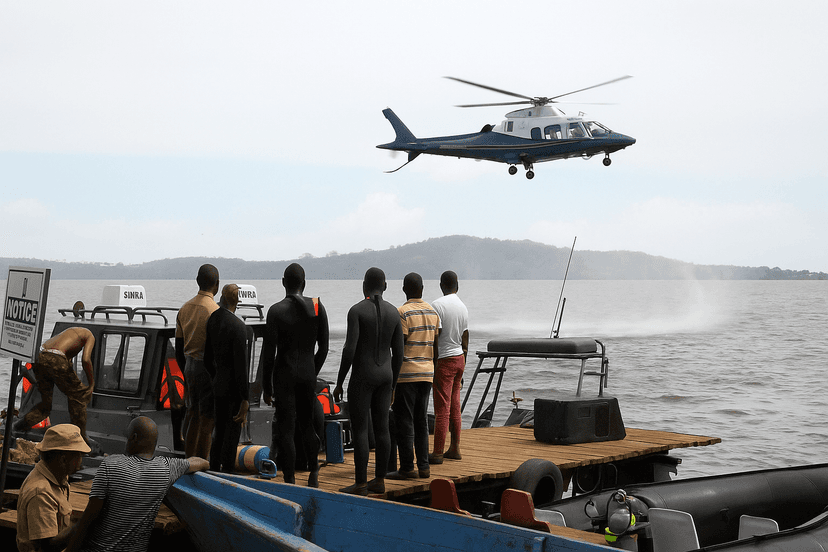
I build my investment market pipeline in 3 rings: pipeline leads, trading ops, then long-cycle stakes. Review weekly, rebalance monthly, audit quarterly. It keeps Africa trade and crypto trading in Africa from drifting.
I focused on the Douala timeline and paperwork discipline. Hitting a 48–72h window reduced delays more than any single route tweak.
My trading/income stays at 70%, with 30% on longer-cycle plays. I rebalance monthly using fee and cost checks.
Health-related demand pays on schedule when training and supplies move together. That’s why cashflow improves in weeks, not years.
I compared Binance and OKX mainly on liquidity and fee impact. Kraken and Coinbase won on comfort and reputation for smaller starts.
I always reserve about 5% of capex for water management. It prevents permitting and operations from stalling midstream.

Yazar hakkında